


|
FSSC 22000 Food Safety System CertificationFSSC 22000 is a food safety certification scheme that is benchmarked and recognised by the Global Food Safety Initiative (GFSI). The GFSI is a division of the Consumer Goods Forum and a collaboration of retailers, manufacturers and food service companies that work on harmonising food safety standards and benchmarking them against a basic set of criteria. Due to complex challenges in the global food supply chain, many large retailers and manufacturers require their suppliers to register to a GFSI-recognised scheme. However, ISO 22000 is not recognised under the GFSI.
The Foundation for Food Safety Certification developed FSSC 22000 and based it on the internationally recognised Food Safety Management Systems standard ISO 22000, complemented by industry relevant Pre-Requisite Programs (PRP) such as ISO TS 22002-1 for food manufacturing and ISO TS 22002-2 for packaging manufacturing and GFSI-defined additional requirements. FSSC 22000 defines requirements for integrated processes that work together to control and minimise food safety hazards. The certification scheme specifically targets the food, feed and packaging manufacturing sectors as well as the storage and distribution, catering and retail/wholesale sectors. While the first editions of FSSC 22000 only applied to food manufacturers, the scope for version 5 has been extended to other segments of the supply chain. Benefits of FSSC 22000 • Increase access to more markets worldwide • Ability to align with other ISO standards like ISO 9001 • Demonstrate commitment to high levels of food safety • Increase cost savings through lower rejects and wastages • Improve operation efficiency through continual improvement process |
|
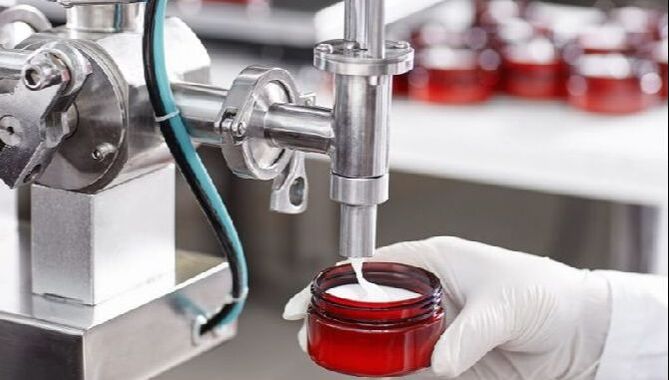
ISO 22716 GMP For CosmeticsISO 22716 certification complements the existing GMP set by the National Pharmaceutical Regulatory Agency (NPRA) and ASEAN Cosmetics Directive. The Malaysian market for personal care products has undergone several changes as demand increases. Now, consumers of cosmetics products are not limited to only women but men as well. Thus, this trend allows the cosmetics industry to grow and develop rapidly.
ISO 22716 provides guidelines for the production, control, storage and shipment of cosmetic products. Therefore, ensuring a systematic and practical development of quality products. The GMP in the scheme assures product quality through plant operations based on sound scientific judgement and risk assessment. Benefits of ISO 22716 Good Manufacturing Practice for Cosmetics • Assure best industry practice of fundamental operational and environmental conditions required to produce safe products • Produce quality products that are recognized and accepted internationally • Gain a competitive edge against other companies in the market • Ensure the safety of products for consumer use |

|
ISO 9001 Quality Management SystemThe ISO 9001 international standard defines the requirements for a Quality Management System (QMS) and is widely accepted and adopted globally by all types of organisations. ISO 9001 provides an effective framework for organisations to continually improve on their products, processes and system; in order to consistently meet and enhance their customer’s requirements and satisfaction.
The latest version of ISO 9001 is the ISO 9001:2015 which defines the way an organisation operates to meet the requirements of its customers and stakeholders. Benefits of ISO 9001 • Demonstrates organisation’s commitment to customers and stakeholders while strengthening “organisational capability” • Improves processes that result in reduction of errors and risk of rework. • Increases customer satisfaction • Enhances image of the organisation or organisational positioning through proactive quality-focused leadership • The entire organisation recognizes its responsibility and involvement in the betterment of quality • Better defined processes and sub-processes, including their critical links • Recognition of deterrents to an operation’s or service’s efficiency and effectiveness • Identifies opportunities for continuous improvement • Strengthens commitment toward the organisation’s fulfilment of regulatory requirements • Improves communication amongst employees |
|
GMP (Good Manufacturing Practises)Good Manufacturing Practices (GMP) is a pre-requisite program (PRP) for Food Safety Management System. It outlines the minimum common hygiene and processing requirements applicable to all food processing establishment and intended as the foundation towards achieving higher food safety management systems like such as HACCP and ISO 22000.
There are several guidelines outlining the GMP requirements, e.g. • Design and layout of premises • Supplies of water, air and energy • Management of waste • Equipment suitability and preventive maintenance • Cleaning and sanitation • Management of purchased materials • Pest control • Prevention of cross contamination • Personal Hygiene Benefits of GMP • Cost savings from lower food wastage and rejects • Ensuring your basic food safety requirements are fulfilled • Facilitates the ability to improve for better business performance • Demonstrate your commitment to produce safe and healthy products • Provide confidence to stakeholders on the manufacturing facility processes |
|
ISO 22000 Food Safety Management SystemFood-borne hazards present in food at the point of consumption raises a food safety issue. Adequate control in place at any stage in the food chain is needed to ensure the handling of food safety hazards. ISO 22000 is the globally recognised standard developed by the International Organization for Standardization (ISO) for ensuring food safety at every point of the food supply chain. The continuous increase in consumer demand for safe food has led to the development of numerous food safety standards such as ISO 22000, CODEX HACCP, Good Manufacturing Practices (GMP), Good Housekeeping Practices (GHP), Good Distribution Practices (GDP), Good Laboratory Practices (GLP) and Good Agriculture Practices (GAP).
Benefits of ISO 22000 • Better control over food safety activities • Assurance in customer, statutory and regulatory compliance • Facilitates market growth • Increases effective communication and feedback to relevant parties in the food chain • Increases customer satisfaction, stakeholders and consumer confidence • Improves risk management. • Allows integration with other ISO management systems |
|
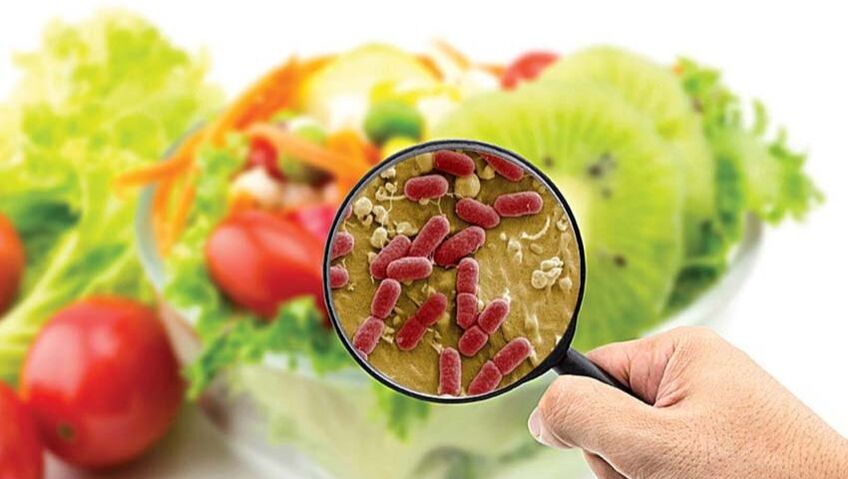
HACCP (Hazard Analysis Critical Control Point)HACCP outlines the principles defining the requirements for effective control of food safety. The HACCP food safety management system helps organizations focus on the hazards that affect food safety and systematically identify them by setting up critical control limits at critical control points during the food production process.
The 7 principles of the HACCP system set the basis for the requirements for the application of HACCP, which are: 1. Analysis of food hazards 2. Identification of Critical Control Point (CCP) 3. Establish critical limits 4. Establish CCP monitoring system 5. Establish corrective action when CCP is deviated from critical limit 6. Verification to confirm HACCP system is working effectively 7. Establish documents and records Benefits of HACCP • Cost savings from lower wastage and rejects • Demonstrate commitment to provide safe food products • Able to continuously improve for better business performance • Ensure proper food safety controls is implemented and maintained • Recognition for attaining the international recognised level of food safety |